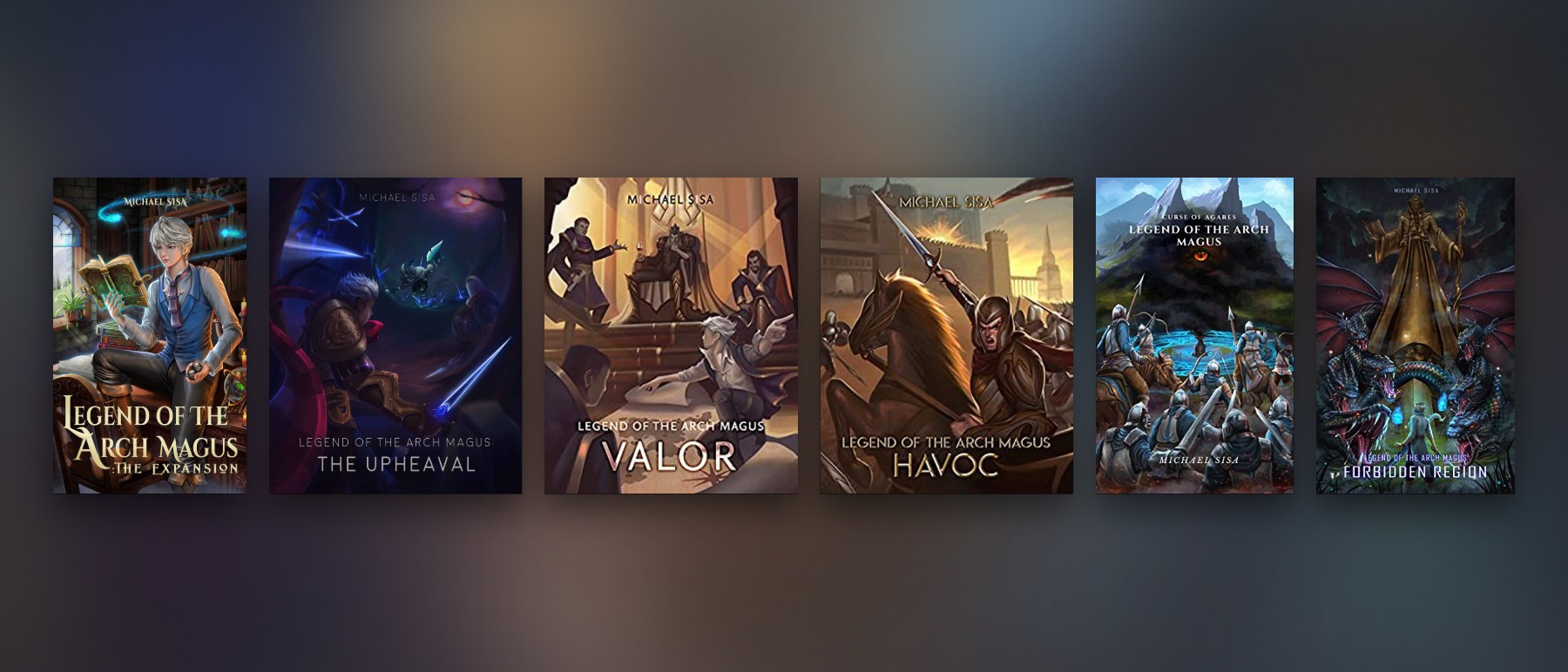
A disgraced second son is exiled to a starving frontier town with winter coming, and the only thing standing between its people and a mass grave is the greatest mage who ever lived, now wearing the second son’s body. That is the opening of Legend of the Arch Magus by Michael Sisa, and it’s one of the most recommended kingdom building series on Reddit.
The short version of this Legend of the Arch Magus review: the best Release That Witch opening outside Release That Witch, followed by a protagonist who gets so strong that the kingdom stops needing to exist.
Among 208 kingdom building recommendation threads on r/ProgressionFantasy, it ranks tenth by mentions. Book 1 has a 4.23 rating on Goodreads from more than 7,000 ratings.
At a glance
- Series Legend of the Arch Magus
- Author Michael Sisa
- Format 15 novels on Kindle; audiobooks from Podium, narrated by Tom Taylorson
- Subgenre Kingdom building, reincarnation, magical uplift
- Scope of this review Books 1 to 6, from the first winter in Blackstone to the Forbidden Region
- Our rating Kingdom building 3 / 5; progression fantasy 2 / 5
- Best for Fast, low-stress kingdom building; an easy first read in the subgenre
- Spoilers Light; the setup and the general direction of the series, no ending
What Legend of the Arch Magus is about
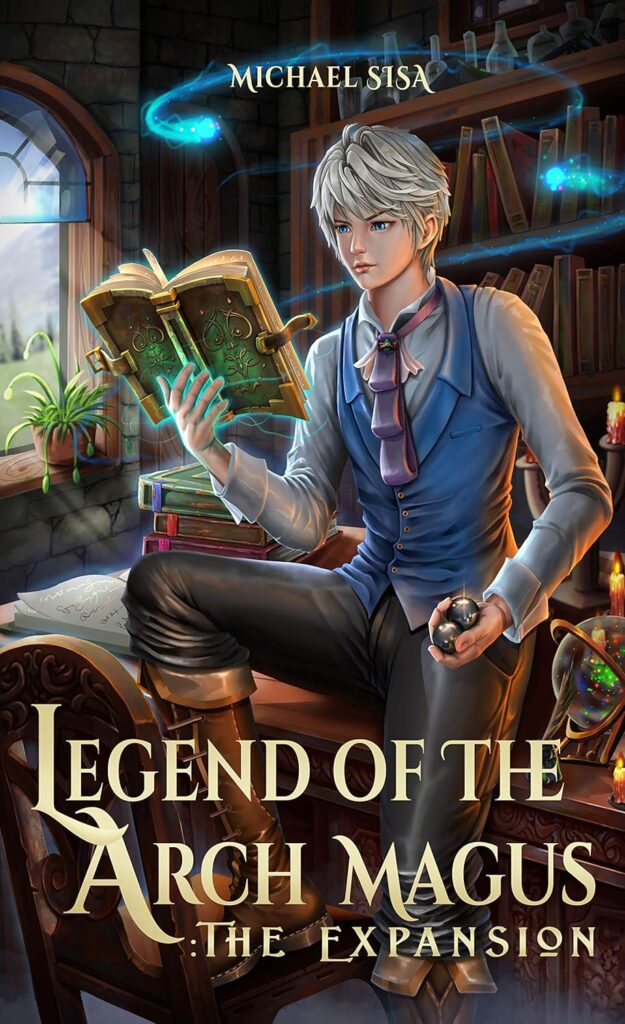
Evander, the Arch Magus, dies and wakes centuries later in the body of Lark Marcus, the second son of a duke. Lark had a reputation, none of it good, and his family has exiled him to Blackstone Town, a desolate place at the edge of the duchy where the people are hungry and the lord is the last person they expect help from.
Magic in this era has decayed into a shadow of what Evander knew. So he does what any reincarnated genius does with a ruined town and a head full of lost knowledge: he fixes it. New policies, new infrastructure, new magic. Then the town gets bigger, the neighbours notice, and the series turns from town building to war.
The opening is the best part
If you have read Release That Witch, the first book will feel familiar in the best way. An unwanted noble son is sent somewhere nobody wants to be. The town is poor, the winter is coming, and the first problem is not a dragon but whether people will eat. Lark has to win over a population that expects the worst from him, starting with his butler, Gaston.
That is the kingdom building I came for. Every early chapter fixes something concrete, and Blackstone visibly changes. The story steps outside Lark’s head now and then, so you see the town’s opinion of its lord shift from contempt to something close to worship. Gathering a power base from nothing is the most satisfying stretch in this genre, and Sisa gets it right.
It is also fast. The chapters are short, the problems are solved quickly, and there is no angst at all. Book 1 reads in an evening.
The world is the other reason to read it
What I enjoyed most after the opening is the world building. Release That Witch built a deep world, but its fantasy is mostly witches and their magic. Arch Magus goes for the full roster of staple fantasy races, and it gives each one a place on the map.
Which makes it strange that the books never include an actual map. For a series built on borders, invasions and a kingdom that grows outward from one frontier town, a map would make the whole thing far more immersive. What is a Total War: Warhammer campaign without the map screen? You want to see where Blackstone sits, which way the beastmen are coming from and how far it is to the next city, and here you have to hold all of it in your head.
Goblins are the first real test for Lark’s untrained soldiers in Book 1. Book 2 is a war with the beastmen tribes: lizardmen who change the colour of their scales to hide, and four-armed ogres. There is a dwarven kingdom that sealed its borders for over a century, a desert troll in an arena, and demons in the background of the whole history. By Book 6 there are elves, whose kingdom is slowly dying because an elf is lucky to have a single child. Every staple fantasy race turns up eventually, except the dragons, who are apparently still negotiating their contract.
The races also come with factions. Three dukes’ sons compete for the throne, an empire presses on the western border, and not every demon is on the same side. That matters for kingdom building, because every race is a neighbour to trade with, fight or negotiate with. Lark’s deal with the elves, bloodstone water for their metal, fabric and herbs, is exactly the kind of scene this subgenre exists for.
Then he stops needing the town
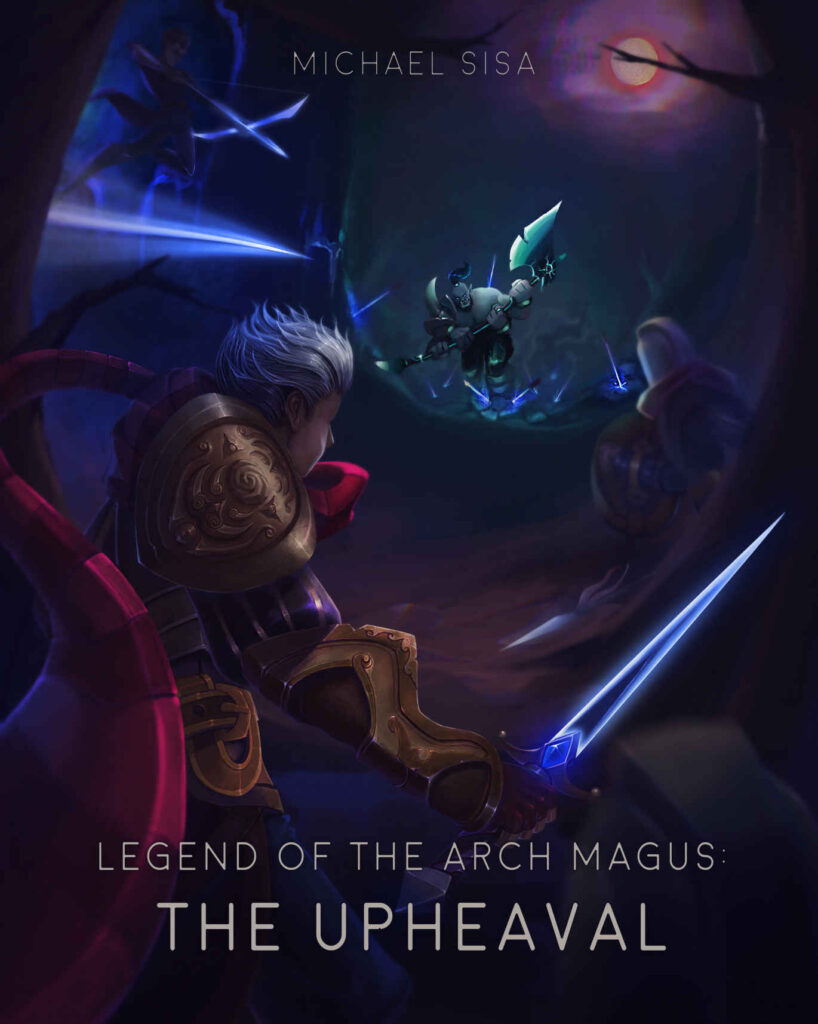
The problem starts with the premise. Lark is the greatest mage in history living in an age that has forgotten magic. Nothing in this world is close to his level, and the gap only grows. Famine, rival nobles, armies: each one gets solved by Lark, usually alone, usually with a spell nobody else could cast. Rival lords keep declaring war on him anyway, courting death with a consistency that borders on loyalty.
A kingdom is only worth reading about if it can lose something. Blackstone never can. Once you realise Lark can fix any problem with magic, the walls, the fields and the soldiers stop mattering, because none of them is what keeps the town alive. He is.
Once Lark can fix any problem with magic, the walls, the fields and the soldiers stop mattering.
Progression Library
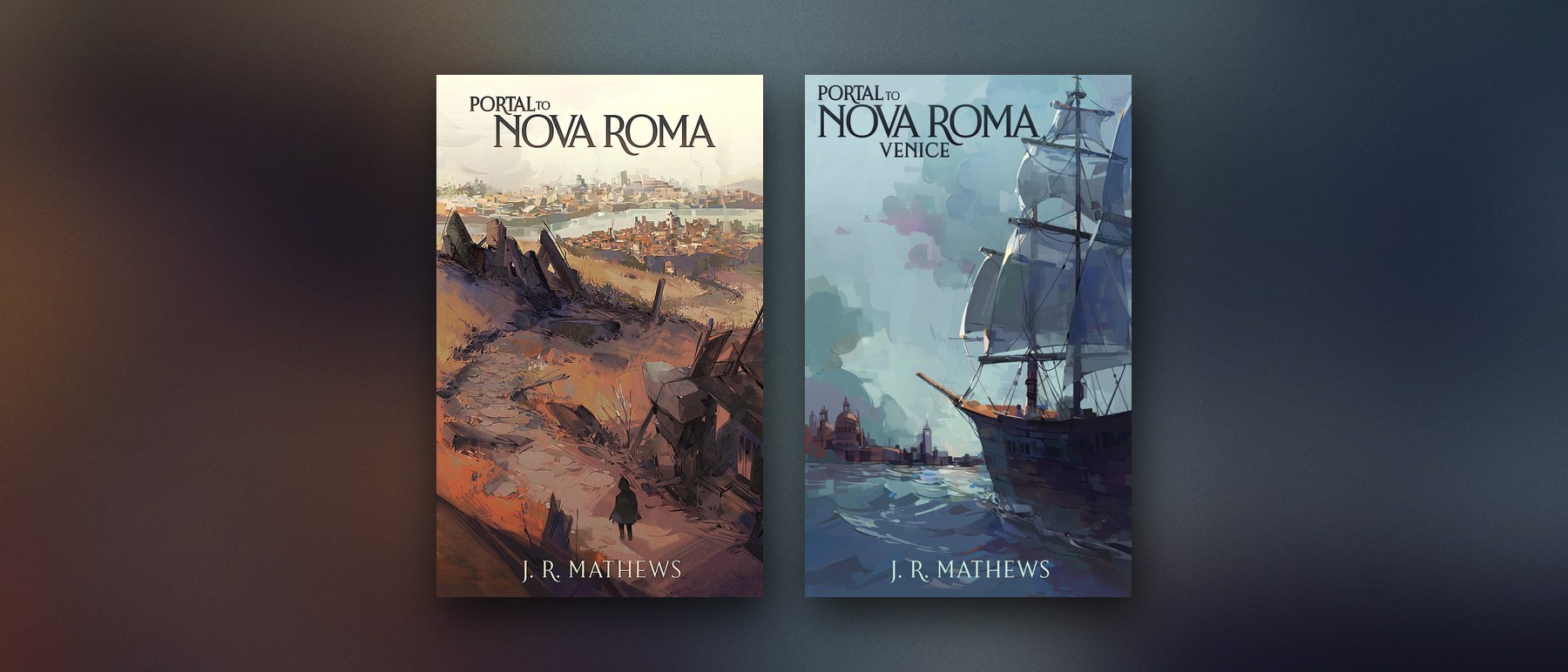
It is the same flaw I found in Portal to Nova Roma, only stronger. The interesting version of this story has Lark building an army and a court that can act without him, then trusting them with something that matters. Instead, the people he gathers mostly watch. By the later books the series is about war more than building, and the town that made the opening so good drifts into the background.
I wrote about why this matters in what makes a kingdom building novel good: if the ruler can win alone, the kingdom is decoration.
Easy mode, on purpose
None of this stops the series from being fun. It knows what it is: a capable lord who knows exactly what he wants, getting it. The prose is plain web novel prose, and the side characters are thin. That is also why it works as a first kingdom building read. You do not need to track forty POVs or a fictional economy. Switch your brain off and watch the town grow.
Reddit is split on it in exactly that way. The fans call it relaxing and angst-free. The critics call it wish fulfilment. Both are right.
Legend of the Arch Magus review: the short version
What works
- The opening. Exile, a starving town and a winter to survive. The closest thing to Release That Witch’s start in the genre.
- Gathering a power base. Blackstone changes chapter by chapter, and you see the townsfolk change their minds about Lark.
- Pace. Short chapters, quick payoffs, no angst. Easy to binge.
- The world building. Goblins, beastmen, dwarves, demons and elves, each with their own kingdoms and politics. Far more fantasy than Release That Witch.
What drags
- He is too OP. No famine, rival or army ever threatens what he has built, so nothing is at stake.
- A one-man army. Lark solves the big problems alone, and his followers rarely act without him.
- The town fades. Later books trade town building for war, and the series loses the thing it does best.
- Thin writing. Plain prose and one-note side characters.
Where to read it
Start with Book 1, The Expansion, on Kindle. The audiobooks come in Podium’s Publisher’s Packs, narrated by Tom Taylorson; Pack 1 covers Books 1 and 2.
Verdict 3 / 5
Kingdom building: 3 / 5. Progression fantasy: 2 / 5.
The bottom line of this Legend of the Arch Magus review: the first books are some of the most satisfying town building in the genre, with an exile, a winter and a power base built from nothing. Then Lark outgrows every threat, and the kingdom becomes scenery for a man who could win alone. Read it as easy-mode popcorn and enjoy the start. For kingdom building where the kingdom can lose, start with the best kingdom building novels.