The best moment in a kingdom building novel is not the first steam engine. It is the chapter where a soldier who has never spoken to the protagonist notices that his town has changed, and he cannot quite say when it happened.
I have read a lot of kingdom building, from Release That Witch and Slime to Spellmonger, Enlightened Empire and Last Life. The ones I remember all get that moment right. The difference usually comes down to one choice: whose eyes the story lets you look through.
At a glance
- Case study Release That Witch (Er Mu)
- Compared with Portal to Nova Roma (J.R. Mathews)
- Also covered Legend of the Arch Magus, From Londoner to Lord
- Spoilers Light. Release That Witch character arcs and an early Portal to Nova Roma Book 2 setup, no endings
The kingdom is the other characters
A kingdom is people. The hero can build granaries, walls and a tax system, but none of it lands until somebody else’s life gets better or worse because of it.
That is the whole test. When the soldier who used to starve every winter now has boots and a reason to fight, the reforms mean something. When the guild master whose trade the new factory just made obsolete has to decide what to do next, they mean even more. Change that only ever helps people is not change, it is a gift. When the population number just goes up between arcs, nothing does.
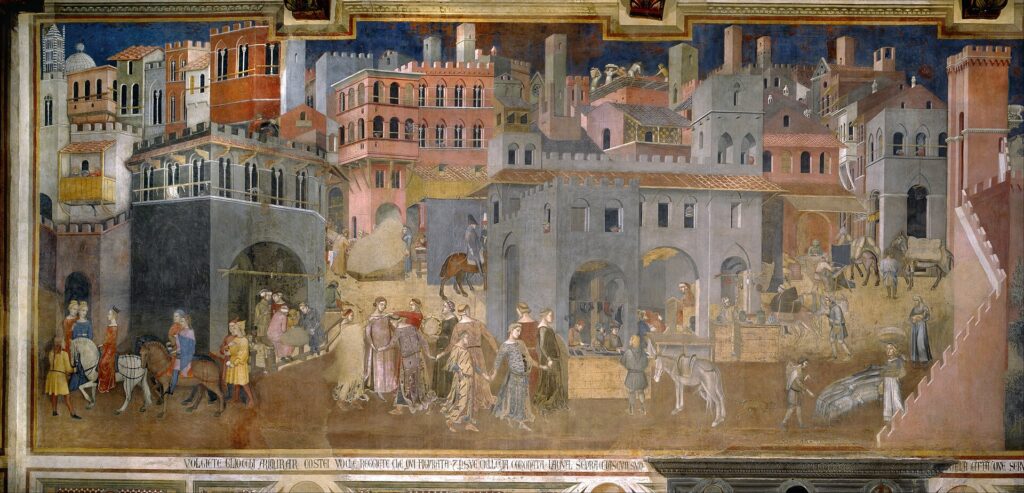
The protagonist always knows what they are building. They have the plan, the modern knowledge, the blueprint in their head. Seeing it from their eyes tells you what was built. Seeing it from anyone else’s tells you what it did.
Case study: Release That Witch hands the camera away
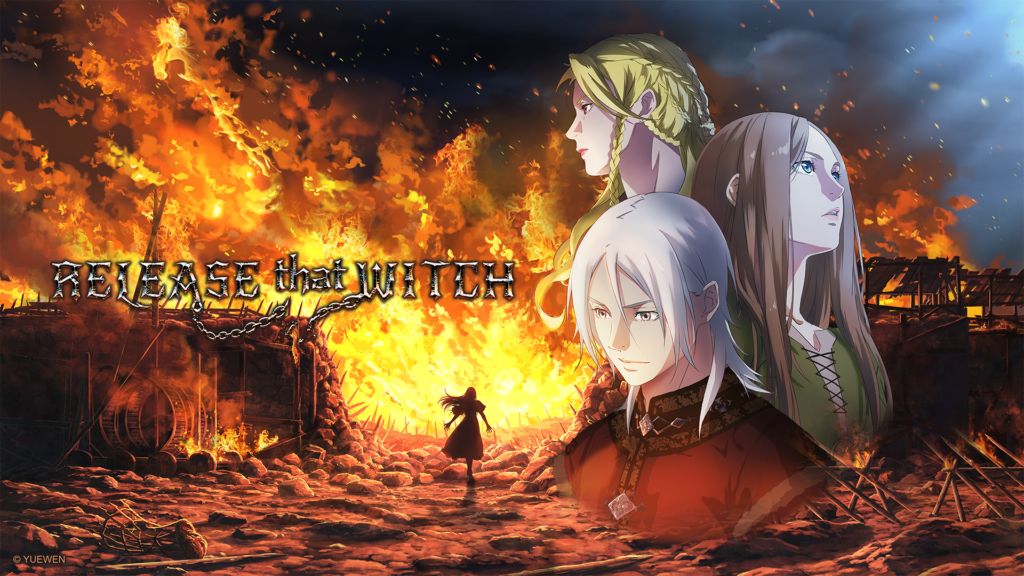
Release That Witch is told in third person, and it does not stay with Roland. It moves the point of view around constantly, and that is the main reason it is the benchmark.
Roland’s chapters are the plan: the steam engine, the cement, the rifles. The other chapters are the consequences, and they are where the book lives.
- The witches. Anna, Nightingale, Lightning and the rest get chapters of their own. Through them, Roland’s labour policy is not a policy. It is a woman who spent her life hiding what she could do, and is now being paid for it.
- The militia. Van’er and the other Border Town recruits start as serfs with spears. Their chapters show the reforms from the bottom: wages, drill, a cannon, a reason to stay. You watch the army get built by being inside it.
- The old order. Carter Lannis is a knight, and the town Roland is building makes knights obsolete. Barov is an administrator watching the treasury do things it has never done. Neither of them is a cheerleader. Both of them adapt, and you see what it costs.
- The enemies. Timothy, Garcia and the Church get POV chapters too. The reader watches them receive reports from Border Town and slowly work out what the reader has known for a hundred chapters. That is the genre’s best satisfaction, delivered from the other side of the table.
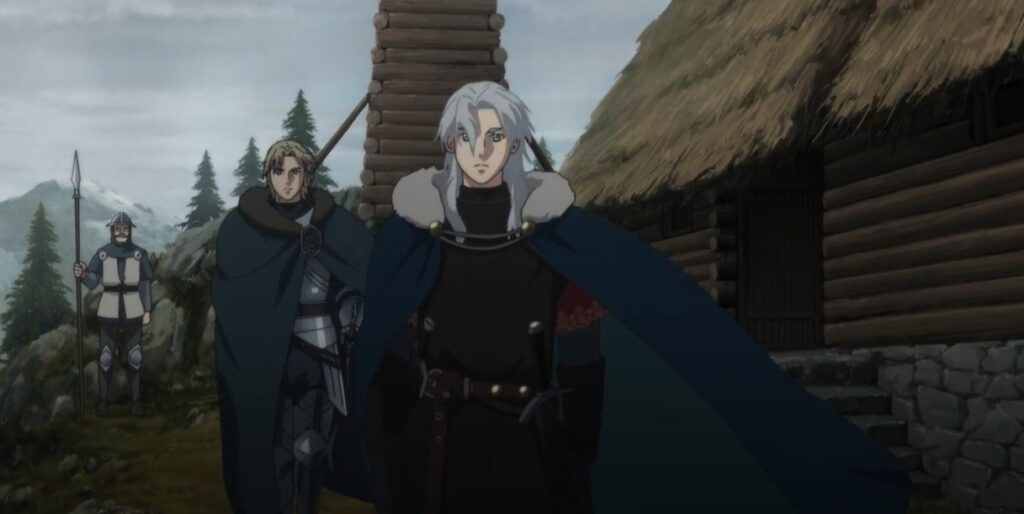
This also fixes the book’s biggest weakness. As the review says, Roland barely changes across 1,400 chapters. It does not matter much, because the witches and the townspeople carry the emotional growth. A static protagonist in a moving cast still reads as a story about change.
Some of Border Town’s people are lifted out of a life of hiding. Some lose the world they understood. Both are the point.
A kingdom of 10,000 people where only one of them has an inner life is not a kingdom. It is a very elaborate status screen.
The comparison: Portal to Nova Roma never leaves Alexander
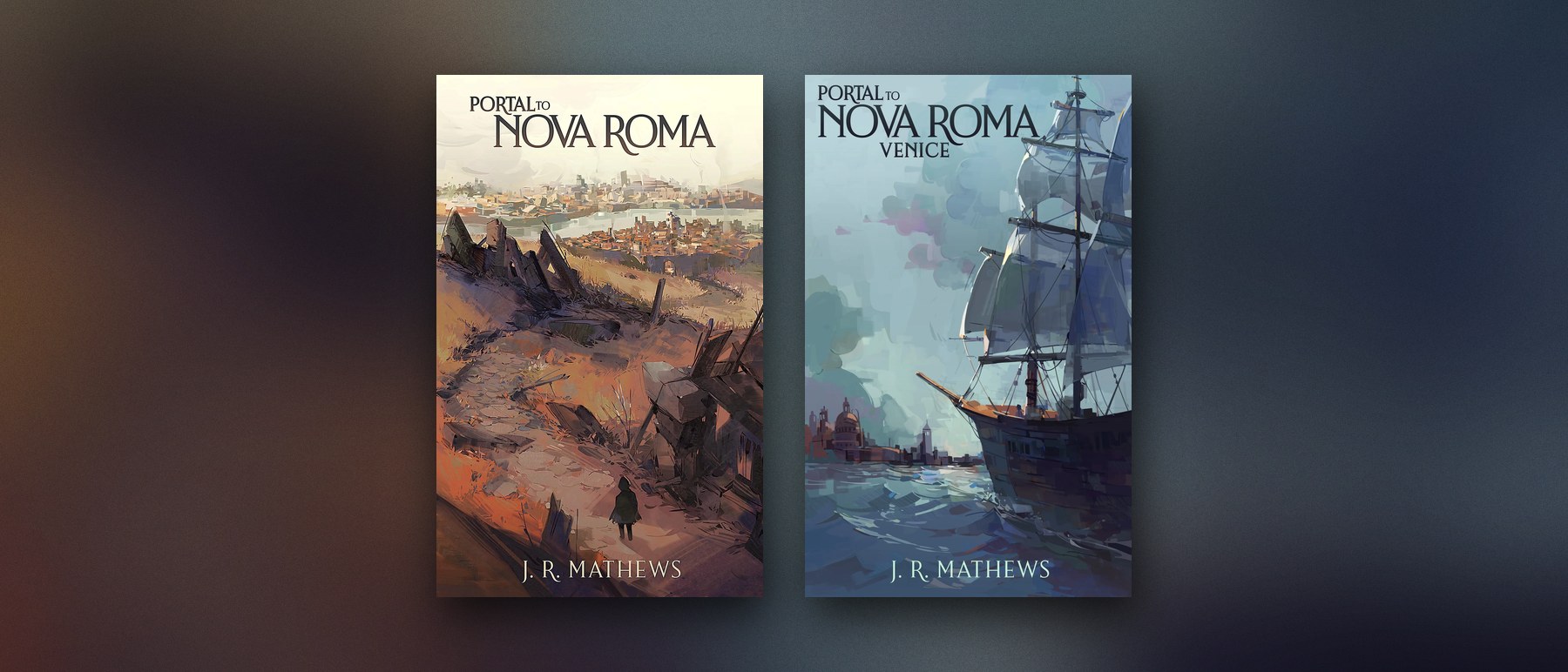
Portal to Nova Roma takes the opposite approach. It is told in first person by Alexander, a rogue AI in a stolen body, and it never leaves him. Across the first two books, nobody else gets a single chapter.
On paper it has everything a kingdom building novel needs: a legion, a compound in Venice, a trading company, ships, allies with their own classes. It is a good series. The power base is real.
The problem is where the camera sits. Early in Book 2, Alexander leaves Constans in charge of Venice and gets pulled away for most of the book. When he comes back, she has a new class and new skills, and the reader hears about them the same way he does: over dinner. Whatever she went through to earn them, running the place while he was gone, happened off the page.
A few chapters later, hundreds of soldiers, civilians and dwarves are loading ships to cross the Mediterranean. That is the moment a kingdom builder lives for, a whole population uprooting itself on one man’s plan. Alexander flies off to scout, and the camera goes with him.
That is the gap between good kingdom building and the best. Portal to Nova Roma builds a power base. Release That Witch builds a place full of people.
Single POV is a ceiling
Staying in the hero’s head, in first person or a tight third, means everything you learn about the kingdom, you learn because the protagonist saw it, did it, or was told about it.
That works for a while. In a founding arc, when the settlement is twelve people and a fence, the protagonist can see all of it, and staying close to them is the right call. A strong narrator voice can carry a lot.
The cost shows up once there is land to run. The kingdom grows, but only as the hero’s to-do list. A new village, a new mill, a new wave of settlers: each one arrives as a decision they made, not a change somebody lived through. The townsfolk exist mostly in the gap between the hero saying good morning and the hero going somewhere more important.
The worst part is what you cannot see. If a reform hurts somebody, you only find out if they complain to the hero’s face. Kingdom building needs the person who lost out, and a single narrator has to go looking for them. Most of the time, they don’t.
The problem is not first person. It is one camera. Once the kingdom is bigger than one person can personally see, the story needs other eyes. Otherwise the reader is told the city has grown and never gets to walk through it.
It has to be able to lose something
The other characters are only half of it. The other half is that they have to be at risk.
Legend of the Arch Magus is the cautionary tale. It is kingdom building on easy mode: the protagonist is so overpowered that no rival, famine or war ever threatens what he has built. Without a real chance of losing, every victory is a formality, and the kingdom stops being something to worry about.
Multiple POVs make this easier, not harder. It is hard to fear for an overpowered hero. It is easy to fear for the recruit standing next to him.
A good kingdom building novel makes the reader afraid for the granary.
Pacing still matters
Slow is not the same as bad. Kingdom building should be slow, because the satisfaction is watching small decisions compound.
But slow needs momentum. From Londoner to Lord has an opening that sits right next to Release That Witch, with the same desperate fight to survive the first winter. Then it slows to a crawl and stays there. The setup is strong; the payoff takes too long to arrive.
What I look for in a kingdom building novel
- A side cast with their own lives, changed by what the protagonist builds.
- More than one point of view once the kingdom outgrows the hero.
- People who lose out, not just people who are lifted up.
- Real stakes: rivals, disasters and costs that can actually take something away.
- Momentum: slow growth, but always visible growth.
The verdict
Kingdom building is not about the kingdom. It is about the people who live in it, and whether the story lets you see them change. That is what separates good kingdom building from the best. Release That Witch lets you see them. Portal to Nova Roma, like most of the genre, only tells you.
If you want series that get this right, start with Release That Witch, then try the underrated kingdom building novels most lists skip. For the genre at large, the kingdom building novels guide has the rest.