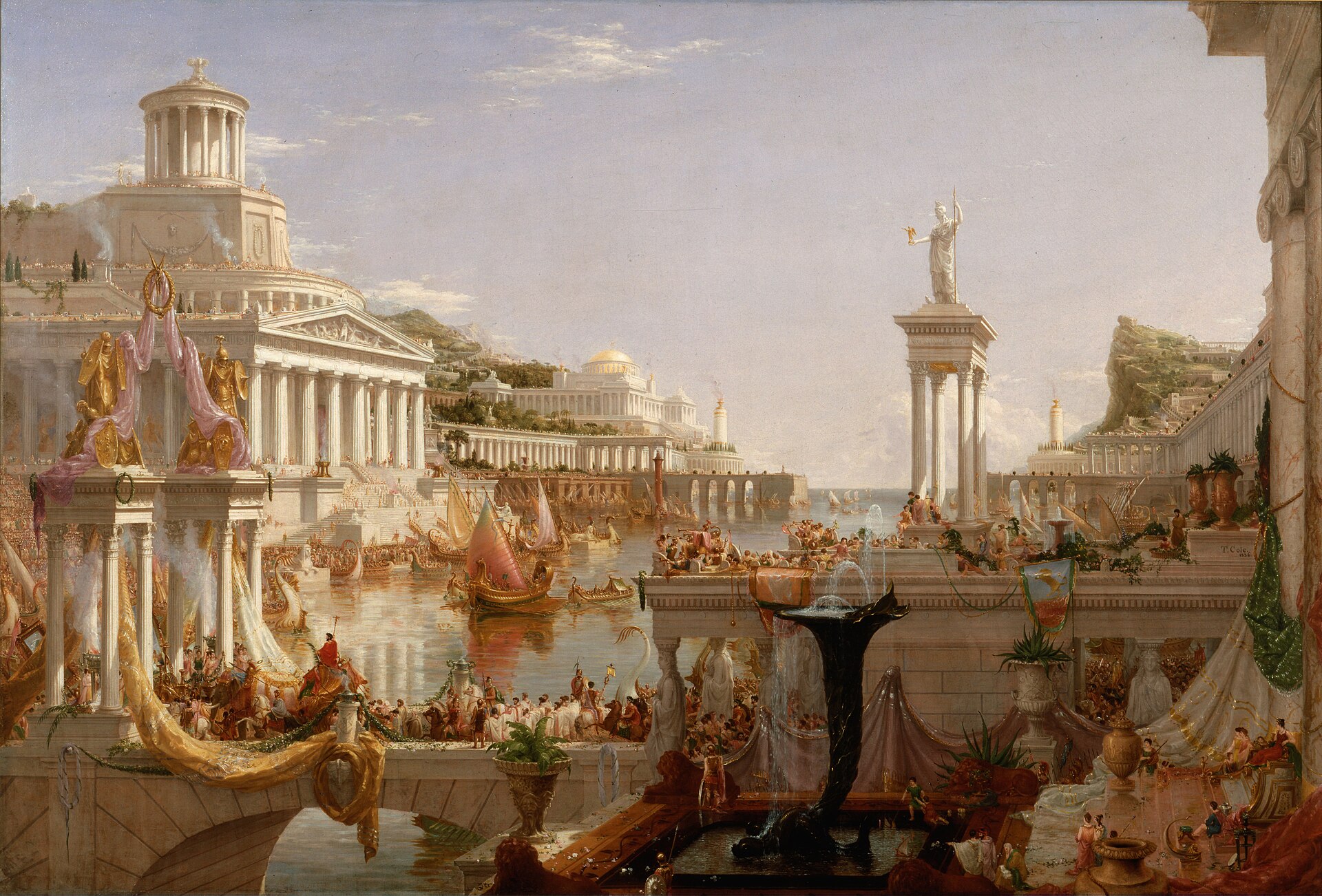
Kingdom building novels make a simple promise: start with a nobody in a nowhere town, and a few hundred chapters later they are running a nation. Roads get paved. Walls go up. A ragged militia becomes an army.
If you have ever lost a weekend to a strategy game and wished a book felt like that, this is the genre. I have read more than 50 of them since 2021.
What counts as kingdom building
Kingdom building novels are stories where the hero is not the only thing levelling up. The protagonist founds, inherits or conquers a territory (a village, a city, a dungeon, an entire realm), and the plot runs on developing it: economy, infrastructure, military, population and politics.
You will see the genre under a few names:
- Base building: a single stronghold or settlement, smaller in scale
- Nation or territory building: bigger maps, more politics
- Kingdom building: the umbrella term, and the one most readers search for
What ties them together is the management fantasy: watching something you built grow from nothing into a power, one concrete decision at a time. The good ones make you care about the decisions. The bad ones are a spreadsheet with a cover.
Why kingdom building hooks readers
Kingdom building scratches an itch that combat fantasy cannot reach on its own. Three reasons:
Progress you can count. In most fantasy, power is abstract. Here it is population, income, soldiers and territory on a map, and every gain stacks on the last. That compounding curve is the whole engine.
Stakes bigger than one fight. Once the hero has a kingdom, every threat has weight. A famine, a rival lord, a bad harvest, a spy: the danger is to everything they have built, including the granary that took four chapters to finish.
The competence fantasy. Watching a smart protagonist introduce crop rotation, fix the tax system or out-negotiate a neighbouring power is the same pleasure as a good heist, stretched across an empire.
A kingdom is only worth reading about if it can lose something.
Progression Library
That is where most of the genre wins or loses. When a town of 10,000 is just a number, it does not matter that it was 500 last arc. When the reader knows the blacksmith, the quartermaster and the kid who runs messages, growth means something, and so does a siege.
Kingdom building meets progression fantasy
If you came here from progression fantasy (stories built on a clear, measurable power system like LitRPG stats, cultivation realms or skill trees), kingdom building is a natural next step.
The two fit together cleanly: the protagonist levels, and so does the kingdom. Personal progression (new abilities) sits on top of settlement progression (new buildings, tiers, system-granted upgrades). In a lot of modern progression fantasy kingdom building, a System literally rewards you for growing your domain.
It is the sweet spot many readers are after: numbers going up, applied to a whole civilisation instead of one sword arm.
The main flavours of kingdom building
Not every kingdom builder feels the same. Pick by mood.
1. Industrial and tech uplift
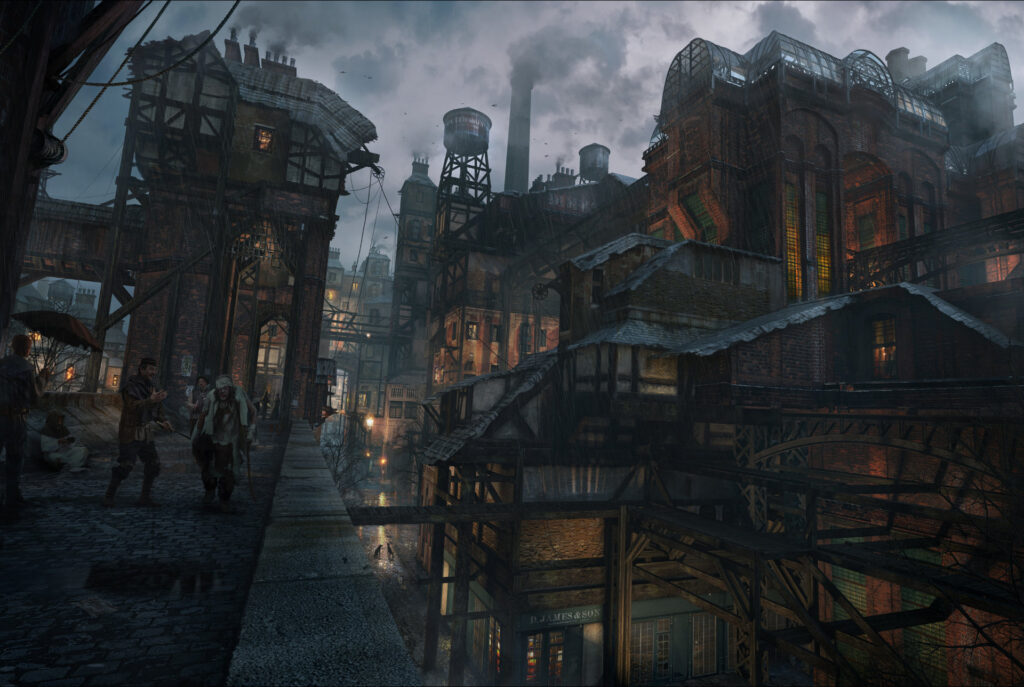
A protagonist with modern know-how (gunpowder, sanitation, assembly lines) lands in a medieval world and out-develops everyone. The satisfaction is invention: the first printing press, the first steam engine, the first time a sceptical noble sees a working sewer. Most of these protagonists arrive by reincarnation, and truck-kun’s contribution to medieval sanitation remains criminally under-credited.
- Release That Witch (Er Mu): a modern engineer wakes up as a prince exiled to a border town and industrialises it.
- How a Realist Hero Rebuilt the Kingdom (Dojyomaru): a summoned hero skips the demon-slaying and fixes the economy instead.
- Ascendance of a Bookworm (Miya Kazuki): a book lover reborn into a world without cheap books invents papermaking and printing herself.
2. System-driven and LitRPG

A game-like System governs the world and hands out buildings, upgrades and quests for expanding your territory. Progress is explicit and gamified. This is the heart of kingdom building LitRPG, and the flavour most likely to put a population counter on the page.
- The Land: Founding (Aleron Kong): one of the founding LitRPGs, with a full village-building system that grows towards a kingdom.
- That Time I Got Reincarnated as a Slime (Fuse): a reborn slime gathers monsters into a nation, powered by skills and evolutions.
- Overlord (Kugane Maruyama): a player trapped in his game world turns his guild base into the Sorcerer Kingdom.
3. Base, colony and dungeon core
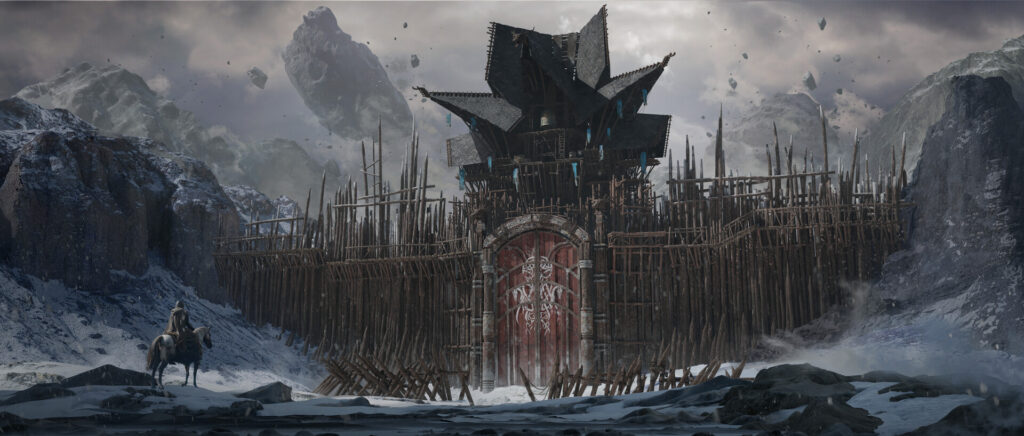
The smallest scale: a single dungeon, colony or stronghold. Pick this if you like tight, focused growth over sprawling geopolitics. Dungeon cores are a special case. Most of them just want to be left alone, which is a difficult position to hold when your entire economy is people breaking in.
- Chrysalis (RinoZ): reborn as an ant, the protagonist builds a colony from scratch while evolving.
- Dungeon Born (Dakota Krout): the classic dungeon core, where a soul trapped in a gem builds rooms, traps and monsters to survive.
- There Is No Epic Loot Here, Only Puns (stewart92): a light-hearted, much-loved dungeon core that is exactly as punny as the title warns.
Where to start with kingdom building novels
If you only read one, make it one of these.
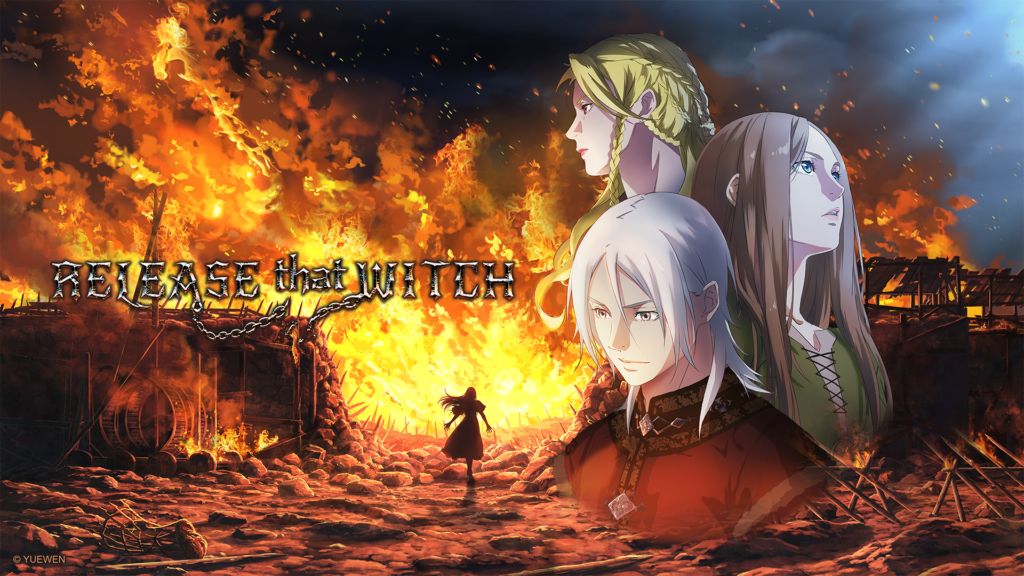
Release That Witch. The best kingdom building novel I have read, and the definitive industrial one. A reincarnated prince turns a backwater border town into an industrial power. If you want pure modern-knowledge-meets-development satisfaction, start here.
The Wandering Inn. It begins with one girl running an inn and grows into a sprawling saga of settlements, politics and community. It is enormous, and the length is the point: few series make slow growth feel this earned.
Chrysalis. Colony building at its most inventive. The protagonist starts as about the weakest creature imaginable and builds from nothing, with a progression backbone that keeps every gain legible. The best gateway if you want focused, small-scale building.
Finished one? Browse the full list of kingdom building novels in our catalogue, filterable by web serial, self-published or traditionally published.
How to choose your next read
- Want numbers and systems? → System-driven and LitRPG
- Want to bring science to a medieval world? → Industrial and tech uplift
- Want focused, low-stakes growth? → Base, colony and dungeon core
- Want personal power and the kingdom? → Progression fantasy kingdom building
Frequently asked questions
What is the difference between kingdom building and base building novels?
Scale. Base building usually means a single stronghold, dungeon or colony. Kingdom building goes up to cities, nations and geopolitics. They sit on the same spectrum, and plenty of series start as one and grow into the other.
Are kingdom building novels the same as progression fantasy?
No, but they overlap heavily. Progression fantasy is about measurable personal power; kingdom building is about growing a territory. The most popular modern series do both.
Where can I read kingdom building web novels?
Many start as free web serials on Royal Road before moving to self-published or traditionally published books. Our catalogue tags each book by where you can read it.
What is a good kingdom building novel for beginners?
An industrial or base-building series with a clear system. Progress is visible from the first few chapters, which makes the appeal obvious fast. Release That Witch and Chrysalis are both safe bets.
The best books in this genre understand that a kingdom is people, not a population count. Start with one of those, then browse every kingdom building novel in the catalogue →